Field notes
Barolo and the Alpine Lakes: A Week Step by Step
How to spend a week between the Langhe wine hills, Turin and the lakes of Maggiore and Orta: airports, tastings, cheese towns and island gardens.
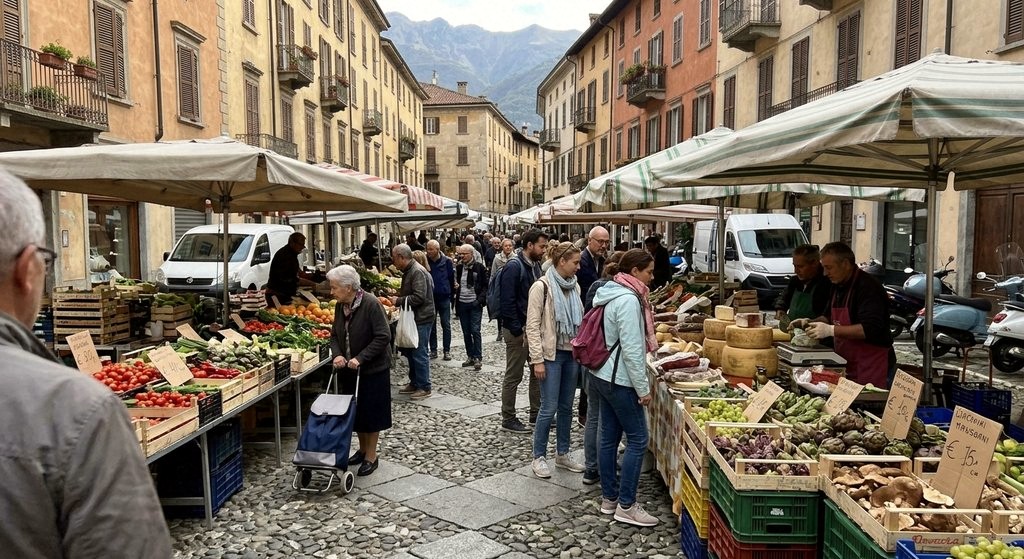
You have a week, you land at Milan Malpensa, and you have to choose between deep wine country and lake scenery. The good news is that a seven day loop can hold both: three nights among the Barolo hills, three nights beside Lake Orta, with Turin and Lake Maggiore folded in between. This guide follows that route in the order you would drive it.
Getting there
Book a morning arrival at Milan Malpensa, since the group meets there and the first drive south to the Langhe takes most of the day. Ground transport for the whole week is by private vehicle with the same driver, so there is nothing else to arrange on the road. At the end, the loop closes at Malpensa or in central Milan, which makes it easy to continue toward Lake Como if you have extra days.
- Land at Malpensa in the morning and meet your guide and group
- Drive south, stopping at the rice plains en route to the Langhe
- Base yourself three nights in the Barolo area, then three nights on Lake Orta
- Return to Malpensa or Milan centre on day seven
When to go
The route runs year round, and each season changes what you taste. September is the busiest and richest month: the international cheese festival takes over the town of Bra, and the harvest brings the cellars to life. Spring suits walkers who want the light hike across the wine hills and castles, while winter puts the UNESCO-listed royal residences of Turin and the fog-free hilltop villages at their quietest. Outdoor extras such as the vineyard walks are always optional and always subject to weather.
Rice paddies and sparkling wine cathedrals, day one
The drive south crosses the flooded rice fields of Piemonte, the heart of Italian rice growing, where Arborio and Carnaroli are raised for risotto. In summer the water world looks more Asian than Alpine, and the rice estates are historic mansions rather than farm sheds; one of them served as a film set for a celebrated 1950s neorealist picture. After a risotto lunch, the day ends at Canelli, where vast underground cellars known as the wine cathedrals produced the country's first sparkling wine. A guided visit and a premium tasting close the afternoon before a home-style dinner of local starters and mains.
Barolo and Barbaresco, day two
Devote the second day to the two heavyweight reds. Start in the town of Barolo itself, where a museum of wine fills the castle, then move between selected growers to learn what separates Barbera, Nebbiolo and Barolo, the wine once called a king among wines. In the late afternoon climb the medieval watchtower at Barbaresco for the view over the hills and one last glass in an atmospheric temple of winemaking. Tastings come with generous cheese and cold cuts, so dinner is deliberately left free; a favourite option is an informal aperitif dinner in a wine bar in the medieval core of Monforte, a hill town that was a centre of the Cathar movement in the thirteenth century.
Cheese and chocolate, day three
Head to Bra, the home of the Slow Food association and host of the international cheese festival every September. A masterclass with a traditional cheesemonger pairs prized alpine cheeses such as Robiola di Roccaverano with mustards, jams and local Barbera and Nebbiolo. Continue to the baroque town of Cherasco, remembered for the peace treaty between Napoleon and the Savoy family, for a chocolate workshop with a renowned master, then roll up your sleeves for a hands-on pasta and dessert session covering tajarin, ravioli del plin and the chocolate and amaretti pudding called bunet.
Turin, day four
Turin rewards a full day. Begin at the enormous open-air food market, among the largest on the continent, and graze your way through it at a promenade lunch that should include a bicerin, the layered coffee and chocolate drink served in the city's historic chocolate houses. A guided walk then runs from Roman remains to the baroque quarters that earned UNESCO listing in what was the first capital of the united country and hosted the 2006 Winter Games. The National Cinema Museum and an Egyptian collection second only to Cairo's deserve a return trip. In the late afternoon, transfer to a lakeside farmhouse for a tasting dinner.
The islands of Lake Maggiore, day five
Boats run from Stresa to Isola Bella, where four centuries of work by architects, stucco workers and painters turned bare rock into a terraced garden meant to float like a galleon on the lake. Isola Madre nearby is greener and quieter, famous for botanical collections that the mild climate keeps lush all year. Lunch on lake fish in a family-run restaurant, then spend the evening back in Stresa; your guide can point you to the best tables near the hotel.
Orta and a family dynasty, day six
Lake Orta is the quiet one that locals would rather keep to themselves, without the celebrity villas that crowd its more famous neighbours. Writers from Byron and Nietzsche to Balzac and Browning came here in the nineteenth century, and a poetry festival still draws visitors each September. The old town of Orta San Giulio sits under the Sacro Monte hill on a peninsula. After lunch in the historic centre, drive inland to Tenute Sella, the oldest winery in the country still run by the family that founded it in 1671, and taste the local Lessona and Bramaterra reds. A farewell dinner follows back on the lake.
- Six breakfasts, six lunches and four dinners, with tastings built in throughout
- Three nights in the Barolo hills and three nights on Lake Orta
- Optional vineyard hikes, arranged with the group and depending on weather
- Flights, tips and insurance are excluded; two dinners stay free by design
Getting around and booking ahead
Everything moves by private vehicle, so the only logistics you handle are the flights. What does need planning is the calendar: the September cheese festival and the harvest weeks fill the best growers months in advance, and the Barolo museum limits groups. Reserve your dates first, then let the winery visits be fixed around them. Start by choosing which day matters most to you, the red wine masterclass or the islands, and book the week around that day.
Written by the Juniper Latitude team. Routes are checked on the ground and pages are edited in place when something changes. Spotted an error? Tell us and we will fix it.
Next step
Start with your dates
A short brief is enough. We reply with questions, a route sketch and what it would cost before you commit to anything.